





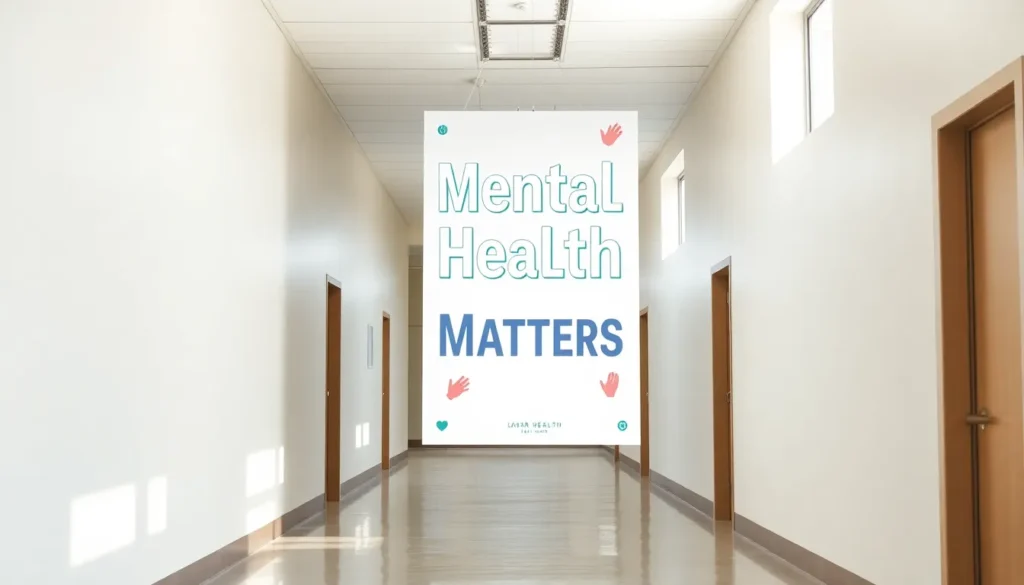
In a world where mental health often takes a backseat, creating a ‘Mental Health Matters’ poster is like throwing a lifebuoy to someone struggling in deep waters. It’s catchy, eye-catching, and perhaps even a little cheeky, but above all, it screams, “Help is here.” If you’ve ever wanted your message to resonate with people while making them pause and think, then you’re in the right place. Let’s jump into why mental health matters and how to craft a poster that does justice to this crucial topic.
Understanding Mental Health
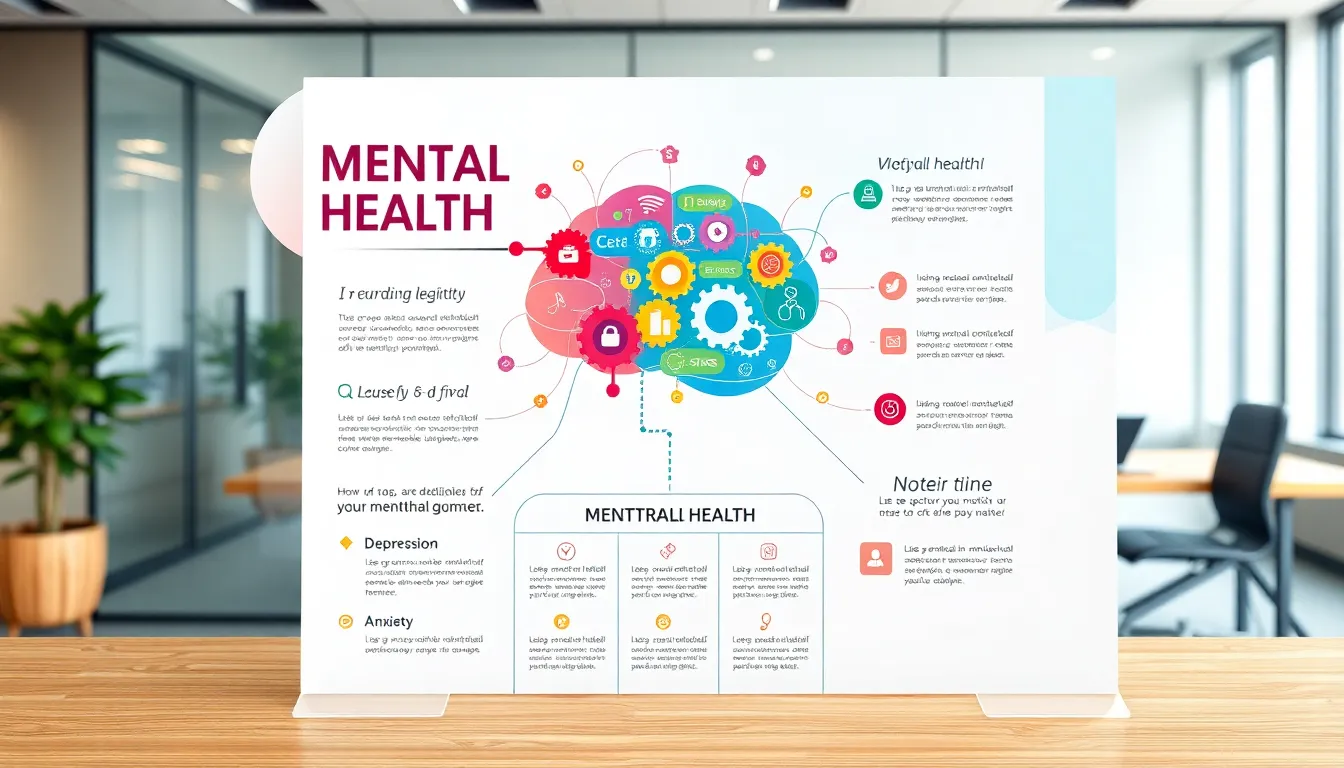
Mental health is not just about the absence of mental disorders. It encompasses emotional well-being, psychological resilience, and the ability to cope with life’s challenges. Understanding mental health involves recognizing the signs of depression, anxiety, and stress, and appreciating how these affect an individual’s everyday life. After all, it’s more than a warm, fuzzy feeling: it’s about how we think, feel, and act. A mental health poster should grasp these nuances, offering a succinct overview that educates its viewers about what mental health truly means and why it’s essential.
Importance Of Mental Health Awareness
Awareness is the first step towards action. According to the National Institute of Mental Health, one in five adults experiences mental illness in a given year. That figure is staggering. Raising awareness through a mental health matters poster can dismantle the stigma surrounding mental health issues. A well-placed poster could be the catalyst for someone to seek help or even just open up about their struggles. If a poster can encourage conversations, foster understanding, and provide support, then it is undoubtedly a small yet mighty tool for an important cause.
Designing An Effective Mental Health Poster
Creating an impactful mental health poster requires thoughtfulness and creativity. The design should not only convey a message but also resonate with the target audience.
Key Elements To Include
An effective poster needs a strong main message that is easy to understand at a glance. Opt for a bold headline like “You Are Not Alone” or “It’s Okay to Ask for Help.” Keep the text minimal but meaningful: a few key statistics or quotes can amplify the message.
Choosing The Right Imagery
Imagery can evoke feelings and thoughts faster than words can. Select images that reflect hope, community, and support, photos of people smiling, nature scenes, or even abstract art that symbolizes mental wellness.
Incorporating Positive Messaging
Always focus on positive, actionable messages. Instead of saying what people should not do, tell them what they can do. Phrases like “Reach out, we’re here for you,” can transform a poster from a simple statement into a call to action.
Promoting Available Resources
A mental health matters poster shouldn’t just be a pretty sight: it must serve a purpose. Clearly list local mental health resources, hotlines, and websites that provide assistance. Making this information readily accessible can help someone in need take the next step towards healing. By including QR codes or web links, the poster can provide immediate access to more detailed information, ensuring that help is just a click away.
Distribution And Impact
Distribution is crucial for maximizing impact. These posters can be strategically placed in schools, community centers, coffee shops, and workplaces, the places where people gather and may need that gentle reminder. The more visible the poster is, the greater chance it has to spark discussions. Organizing campaigns around Mental Health Awareness Month can also amplify the reach and importance of the message, encouraging communities to engage in mental health conversations.
Evaluating The Effectiveness Of Your Poster
Creating a mental health matters poster is only half the battle: evaluating its effectiveness is essential too. Collect feedback through surveys or informal conversations to gauge how the poster impacts the community. Are people talking about mental health more? Are local resources being utilized? Tracking these metrics can help refine the approach for future initiatives, making each campaign more effective than the last.